Ontario's identity is closely tied to movement: along lakeshores
and riverbanks, between communities, and across a province whose
scale changes the way people think about distance. Travel here
has taken many forms, from journeys shaped by waterways to
railway excursions, road trips and contemporary city breaks.
Those histories are not interchangeable. They reflect different
communities, purposes and relationships with the land, including
the continuing presence and cultures of Indigenous peoples
throughout the region.
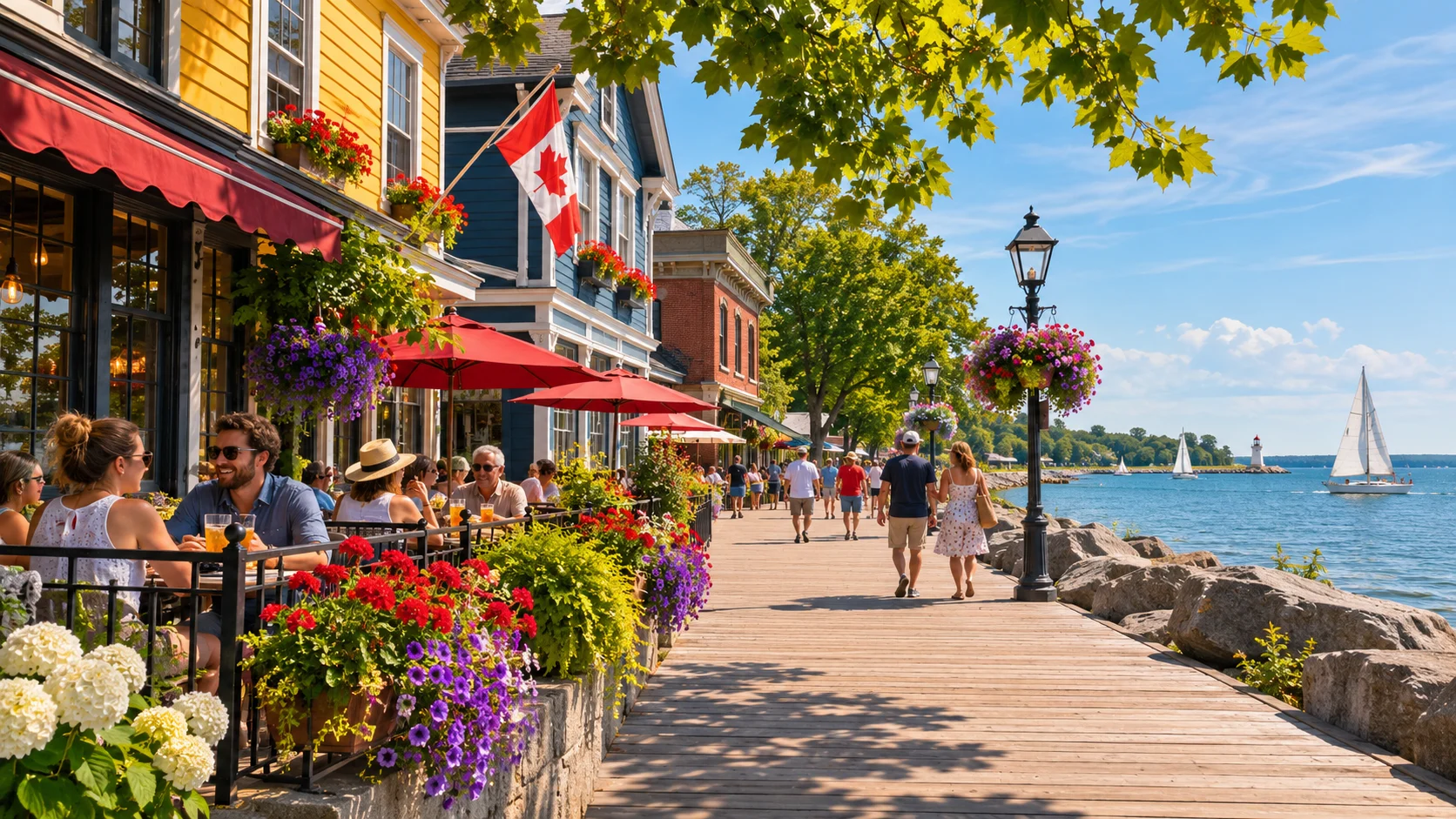
For today's visitor, the waterfront remains one of the clearest
ways into that sense of place. Toronto's relationship with Lake
Ontario creates a striking meeting of urban density and open
horizon. A day can move from tightly packed streets to the
water's edge without losing the energy of the city. Architecture
adds another layer: older neighbourhoods, civic spaces and
contemporary towers make the skyline feel like an ongoing
conversation rather than a finished composition.
Windsor offers a different angle on urban Ontario. The Detroit
River is both a boundary and a connection, placing another
country's skyline within the everyday view. Along the
riverfront, the city opens outward. Walks, gardens and changing
light give a weekend its shape, while downtown restaurants and
performance venues bring the evening back into focus. It is a
place where looking across the water can become part of the
daily routine, even during a very short visit.
The area around Rama brings the lake-country perspective closer.
Nearby Orillia, Lake Simcoe and Lake Couchiching belong to a
region that many travellers associate with seasonal escapes and
time outdoors. Rama is also home to the Chippewas of Rama First
Nation; the destination should be understood as a living
community, rather than simply a backdrop for leisure. Taking an
interest in the region means approaching its places and people
with curiosity and respect.
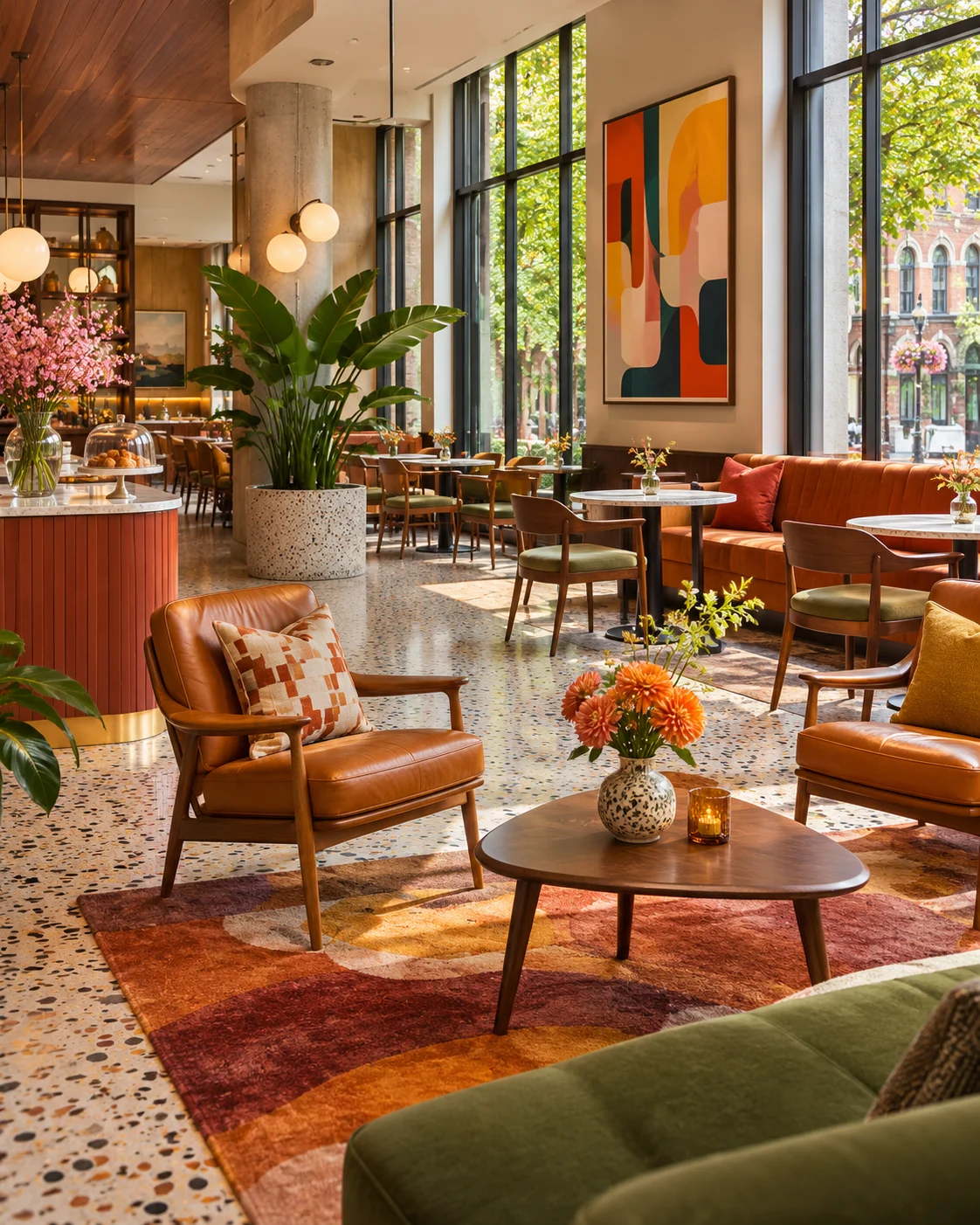
Hospitality across these settings has changed with the way
people travel. A hotel can now be a base for neighbourhood
exploration, a destination for dinner and a performance, or
somewhere to pause between outdoor experiences. Resort
infrastructure brings several activities together, but the most
satisfying trips often connect what happens inside the building
with the wider place around it.
That is the angle we return to at Golden Loon. We look for the
relationship between the city and the lake, the room and the
street, the planned evening and the unplanned morning. Ontario
is too varied to reduce to one image. A thoughtful weekend does
not need to capture all of it. It only needs to find a corner
that feels worth knowing, and enough time to appreciate it.